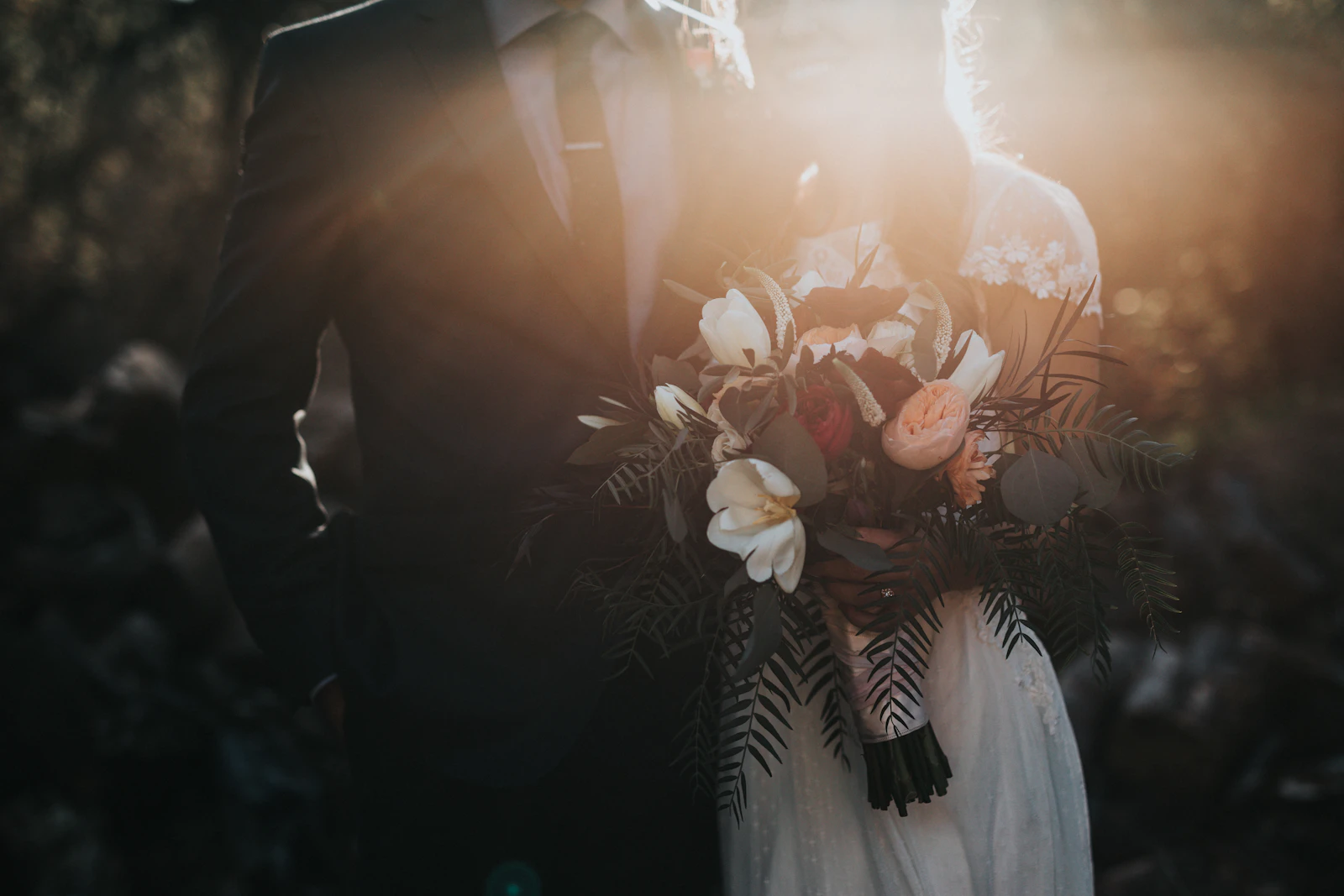
A bride's dress is, by tradition, the central garment of a wedding day. The dress is, in practice, one garment among many. The other garments — the shoes, the earrings, the lipstick, the bridesmaids' dresses — are, by some accounts, the ones that are remembered.
A survey of brides conducted by a wedding magazine in 2019 found that 71 percent of respondents remembered their shoes. The same survey found that 58 percent of respondents remembered their earrings. The same survey found that 41 percent of respondents remembered their lipstick.
The same survey found that 23 percent of respondents remembered their dress.
The dress
The dress was silk. The dress was ivory. The dress had a low back and long sleeves, and a train that was not, in the end, removable. The dress was tried on four times, in three different shops, before the woman who would wear it said yes to the fifth.
The dress was bought on a Saturday, in a bridal shop, near the end of a long afternoon. The bride-to-be was tired. The bridal shop was closing at six. The saleswoman brought the dress out at five-fifteen, after the bride-to-be had tried on four others. The bride-to-be's sister said: that one. The bride-to-be bought the dress.
The dress was not, by the bride-to-be's later description, the right dress. The dress was not the wrong dress, either. The dress was the dress that was, of all the dresses that could have been bought, bought.
The dress has not been worn since the wedding. The dress is in a box, in a closet, in a guest room, behind a door.
The shoes
The shoes were a pair of ivory ballet flats. The shoes were ordered online, six weeks before the wedding, from a brand the bride-to-be had never worn before. The shoes cost forty dollars. The shoes were, by the bride-to-be's description, the most comfortable shoes she had ever worn at a wedding, including her own.
The tradition of bridal footwear is, in fact, varied. The tradition of bridal footwear is, in some cultures, a particular color — red in China, green in parts of the Middle East, white in much of Europe and North America. The tradition of bridal footwear is, in other cultures, a particular style — embroidered slippers in Korea, leather sandals in Greece, pointy-toed flats in much of contemporary urban America.
The shoes worn to this wedding were pointy-toed flats. The shoes were ivory. The shoes were worn, on the day, for eleven hours.
The earrings
The earrings were tiny pearls, set in gold. The earrings belonged to the bride-to-be's mother. The earrings had, until the morning of the wedding, not been worn in thirty years.
The earrings had been given to the bride-to-be's mother, in 1971, by the bride-to-be's maternal grandmother. The earrings had been worn, by the bride-to-be's mother, on her own wedding day. The earrings had, by most accounts, been forgotten, in a jewelry box, since the late 1980s.
The earrings were discovered, by the bride-to-be, on the morning of the wedding, in the bottom of the jewelry box. The posts had, by the bride-to-be's observation, turned green at the back. The pearls were intact. The gold was intact. The earrings were, in other words, in fine condition.
The lipstick
The lipstick was a color called Rose Étourdie. The lipstick was bought at a duty-free shop, in an airport, on the way to the rehearsal dinner. The lipstick had been bought in a fit of optimism, and saved, for an occasion the bride-to-be could not, at the time, name.
Lipstick, at weddings, has a particular place. Lipstick is, by some accounts, the cosmetic most likely to be reapplied, during a wedding day, by the bride. Lipstick is, by other accounts, the cosmetic most likely to be smudged, during a wedding ceremony, by the bride.
The lipstick was worn, on the day, by the bride, to the rehearsal dinner, the ceremony, the reception, and the after-party. The lipstick was, by the bride's later description, the most expensive thing she had ever bought at a duty-free shop.
The bridesmaids
There were four bridesmaids. The bridesmaids wore, at the bride's request, a color the bride described, in emails, as "something dusty, something muted, something you might already own."
The request was, in part, an attempt to save the bridesmaids money. The request was, in part, an attempt to avoid the question of who the bridesmaids were, sartorially, in front of two hundred people. The question did not go away.
Two of the bridesmaids bought new dresses. One wore a dress she had bought for another wedding, in 2017. One wore a dress she had owned since college, in a color the bride would not have chosen, which looked, on her, better than anything the bride could have picked.
The morning of
The bride woke up at five, on the morning of the wedding. The bride's sister was asleep in the next bed. The hotel curtains were not quite closed, and there was a strip of light across the carpet. The bride lay in the strip, for a while.
The bride was told, by every bride she knew, that the morning of the wedding would be a blur. The morning was not a blur. The morning was slow. The morning had texture. The bride had coffee. The bride had a shower. The bride had her hair done by a woman who talked, the whole time, about her son.
The dress was put on, at four. The earrings were put on, at quarter past. The lipstick was put on, at twenty to. The bride looked, in the mirror, for a long time, and then stopped looking, because the person in the mirror was not a person the bride recognized.
The aisle
The bride's father walked the bride down the aisle. The bride's father was wearing a suit he had bought in 1996, and a tie the bride had given him for Christmas. The bride's father did not say anything. The bride's father walked slowly. The bride had asked him to walk slowly.
There is a photograph, taken from the back of the church, of the two of them at the door. The photograph has been looked at many times. The bride and the bride's father are, in the photograph, looking straight ahead.
The bride was not, as the cliché goes, looking at her father. The bride was not, as another cliché goes, taking it all in. The bride was looking at the floor, because the bride was afraid of tripping.
What is remembered
The bride remembers the vows. The bride remembers the photographer's assistant, who kept saying "this way," in a tone that suggested the bride was not, in fact, going this way. The bride remembers the cake, which was the wrong flavor, and which the bride did not, in any case, eat.
The bride does not remember the dress.
The dress is in a box. The box is in a closet. The closet is in the guest room, behind the door.
The shoes are, somewhere, in the same closet. The shoes have not been worn since. The earrings are, in the bride's jewelry box. The earrings have been worn, twice, since. The lipstick is, in a drawer, in the bathroom. The lipstick is, by the bride's estimate, almost finished.
The bridesmaids are, on most days, in touch.
The bride is, on most days, in flat shoes.